In my teaching, I cover a broad range of topics, primarily in Political Theory and the History of Political Thought. On this page, you will find examples of current and past courses.
If you are interested in writing a BA, MA or PhD thesis with me, you will find some guidelines here.
Hermeneutics
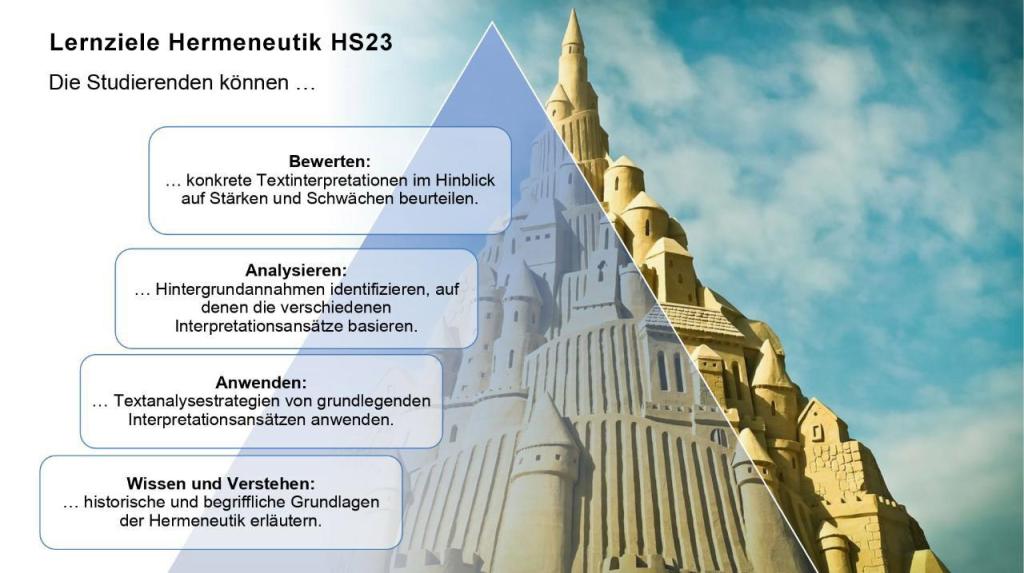
„Hermeneutics“ is a complicated name for two simple things: our activity of understanding and reflection on that process. In my courses on the subject, I therefore place great emphasis on imparting both theoretical and practical skills. On the DVPW blog, there is a report (here) about my approach





Populism
What is populism? Can right-wing populism coexist with democracy? And if we can’t prevent it, do we need left-wing populism as a counterbalance?
Political Theory: An Introduction
How is political authority justified? Why not anarchy? What are the historical and normative foundations of liberal democracy? What is power, and what is ideology? Political Theory addresses such questions. In introductory courses, I provide insights and demonstrate why these questions are relevant.

Dirty Hands?
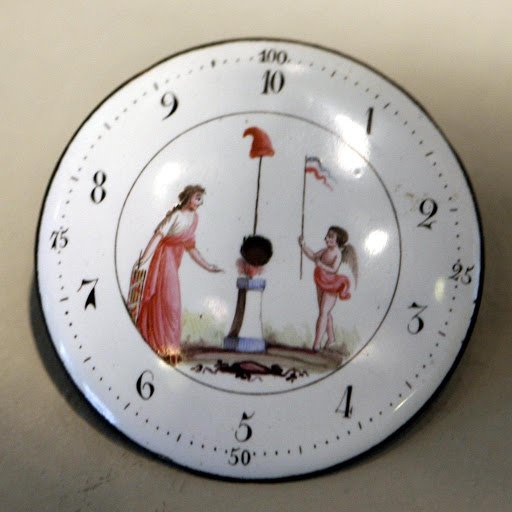
“Do you believe, you can govern innocently?”
— Hoederer in Sartres „Les Mains Sales“ (1948)
Must political decision-makers sometimes behave immorally? Must they be willing to betray their convictions, to lie, to deceive, perhaps even to sacrifice human lives? Politics, as master thinkers like Machiavelli, Max Weber, or Jean-Paul Sartre were convinced, is an indispensable yet dirty business.
Classics
There is always something new happening in politics, and new trends constantly emerge. It would be negligent to ignore either. The same applies to the great master thinkers, from Plato to Mary Wollstonecraft, Alexis de Tocqueville, to Gandhi. We can learn immensely from their works, which is why I am always eager to offer seminars on them.

Utopia – Functions and Varieties
Utopias are visions of nearly perfect, sometimes overly perfect societal orders. They are nonexistent, unrealized, perhaps unrealizable. In the past, they were considered ideals that provided hope; nowadays, they are often seen as useless daydreams or even dangerous fantasies. Is this judgment unjust? Do we need utopias in political practice and/or political theory? And if so, what functions can they serve in these realms?
 MARTIN BECKSTEIN